All notes
What happens outside the workflows: field tests, observations, wrecks, and a few everyday uses that have nothing to do with productivity.
 Toolroom Notes
Runway, Kling, and Luma: Which One Handles Motion Best?
Runway Gen-4.5 leads the Artificial Analysis text-to-video leaderboard with an Elo score of 1,247, while Kling 3.0's March 2026 Motion Control update enhances facial consistency across complex scenarios, and Luma Ray3 uses reasoning-based generation to model spatial and temporal relationships before rendering.
 From Prompt to Cut
Building a Product Video With One Reference Image
Product videos are now AI-ready, with Runway Gen-4, Kling 3.0, and Luma Ray3 all accepting single reference images to maintain product identity across generations, though success depends less on generation quality and more on reference preparation, shot planning, and editorial decisions about camera movement and spatial logic.
What Happens When You Ask AI for Natural Handheld Camera Movement?
AI video generators struggle to replicate the deliberate pause in handheld footage when the operator's body settles before reframing, testing Runway Gen-4.5, Kling 3.0, Luma Ray3, and Veo 3.1 across three documentary-style prompts to evaluate which model best understands human-operated camera motion.
 Human in the Loop
Why I Still Shoot Real Establishing Shots
Minneapolis' AI-generated skyline looked technically perfect but placed the river in the wrong location and missed the flat, pinkish-gray January dusk that defines the city, forcing the filmmaker to reshoot the establishing shot on their phone in 90 seconds to restore geographic and atmospheric authenticity.
 Toolroom Notes
The Hidden Cost of Cheap AI Video Generation
The headline price of AI video generation tools like Kling Standard ($10/month), Runway Standard ($15), and Luma ($10) masks the true cost: a 70-second short film cost $123 and a 3-minute animated episode burned through $750 in credits due to subscription floors, overgeneration waste (only 25% of clips make the final cut), and hidden human labor costs that pricing pages never mention.
 From Prompt to Cut
Turning a 20-Second Idea Into a Five-Shot Edit
A filmmaker documents the complete workflow of turning a single-sentence creative idea into a five-shot, 20-second video edit, breaking down the process from beat sheet to shot list over three evenings with $18 in tool costs.
 The Shot Test
Rain, Smoke, and Reflections: Three Effects AI Still Struggles With
Runway Gen-4.5, Kling 3.0, Luma Ray3, and Veo 3.1 all failed at least one of three challenging AI video effects—rain, smoke, and reflections—revealing that each model understands physical phenomena differently despite impressive cherry-picked demos.
 Human in the Loop
The Difference Between Visual Style and Visual Noise
AI video projects often fail not from technical limitations but from confusing visual style with visual noise—style requires intentional, consistent visual rules serving the story across every shot, while noise is unintentional variation the model generates without directorial control.
 Toolroom Notes
Which AI Video Tools Let You Fix a Bad Result Without Starting Over?
Runway Aleph 2.0, Kling Omni Edit, Luma Ray3 Modify, LTX Retake, and Seedance Repair now allow partial repairs of AI-generated video clips instead of full re-rolls, with the average production requiring 3 generations per usable shot and only 25% making the final cut.
 The Shot Test
How I Use AI for Previsualization Before a Real Shoot
A filmmaker explains using AI video tools not to replace production but to create complete previsualizations with actual camera movement and pacing before shooting, where approved frames become direct inputs to the pipeline rather than disposable reference material.
 The Shot Test
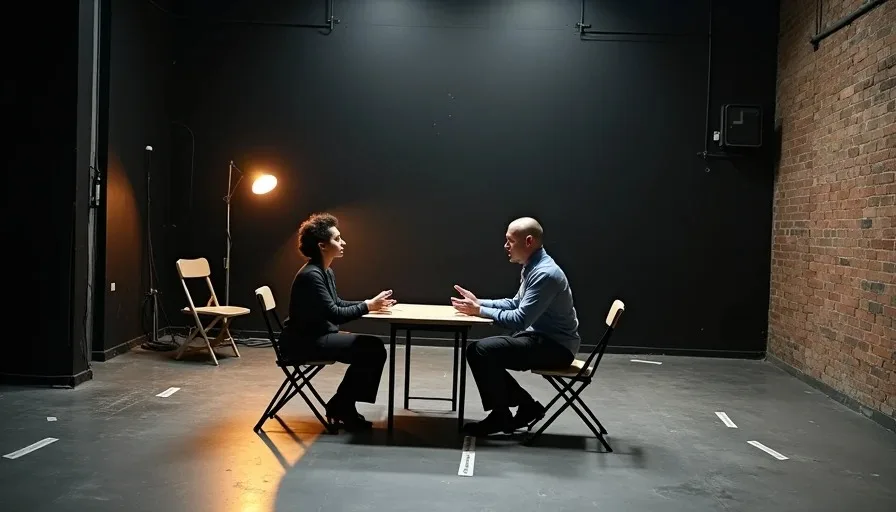
Can AI Generate a Convincing Dialogue Scene Without Audio?
Runway Gen-4.5, Kling 3.0, Sora 2, and Veo 3.1 were tested on dialogue scene generation with audio disabled to evaluate whether AI models can produce convincing visual performances based solely on facial expressions, turn-taking cues, and listening behavior rather than relying on synchronized voice tracks.
 Human in the Loop
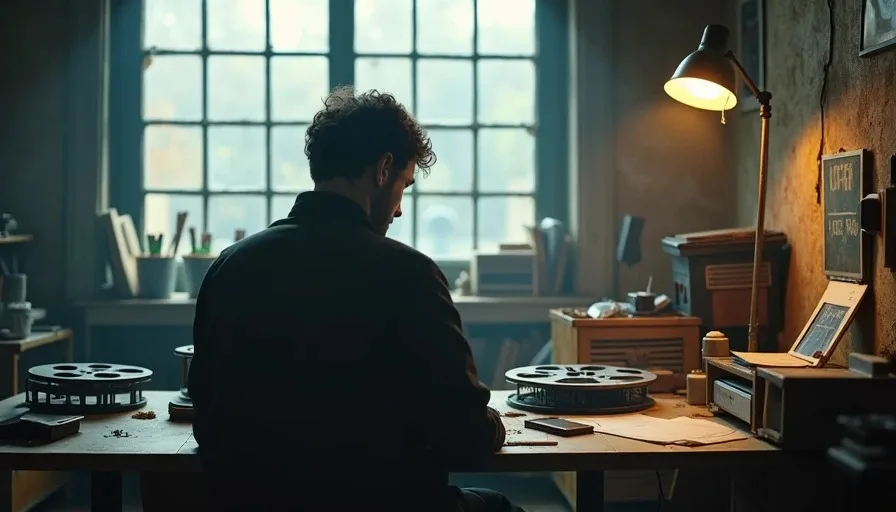
AI Does Not Replace the Editor—It Changes Where the Editing Begins
AI filmmaking shifts editing from post-production discovery to pre-production decision-making, where the cut is made in shot lists and prompt choices before footage is generated, turning traditional assembly into the primary editorial process.